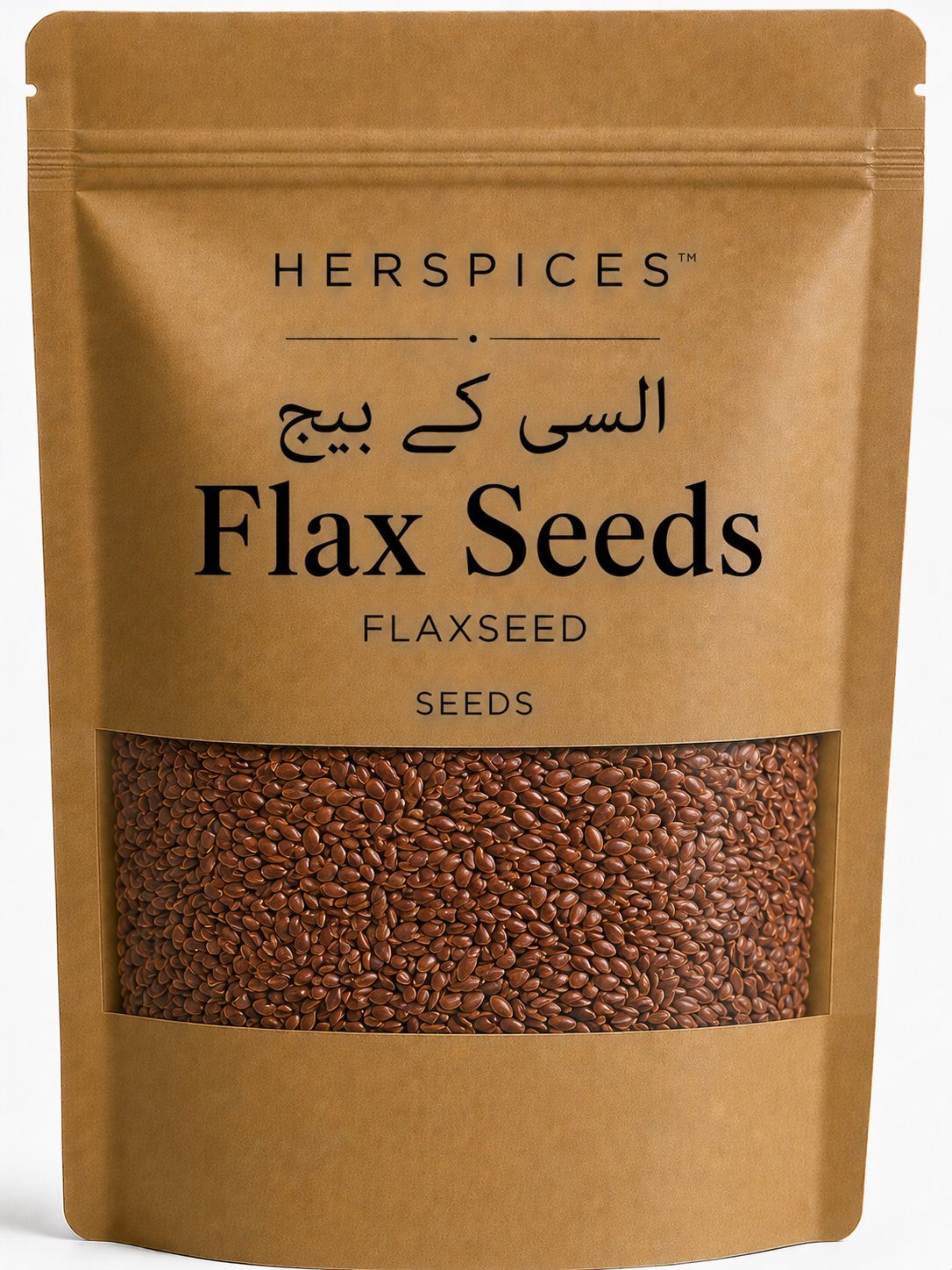
Herspices
Flax Seeds
Flax Seeds
Couldn't load pickup availability
Flax Seeds (Linseeds)
Flax Seeds, also known as Linseeds, are among the most nutrient-dense seeds found in nature. Valued for thousands of years as both a food and agricultural crop, these small golden or brown seeds are widely appreciated for their naturally occurring fibre, plant-based Omega-3 fatty acids and important minerals.
Today, Flax Seeds are enjoyed around the world as a versatile ingredient that can easily be incorporated into everyday meals. From smoothies and yoghurt bowls to baking recipes and traditional foods, Flax Seeds have become a popular choice among consumers seeking nutrient-rich whole foods.
At HERSPICES, our Flax Seeds are carefully selected and packed to preserve freshness, quality and natural nutritional value.
Why Are Flax Seeds So Popular?
Few seeds have attracted as much nutritional attention as Flax Seeds.
Their popularity comes from a combination of naturally occurring nutrients, including:
- Dietary fibre
- Plant-based Omega-3 fatty acids
- Protein
- Lignans
- Essential minerals
This impressive nutritional profile has helped establish Flax Seeds as one of the most widely consumed functional foods worldwide.
A Natural Source of Plant-Based Omega-3
One of the most recognized characteristics of Flax Seeds is their Omega-3 content.
Flax Seeds naturally contain:
- Alpha-Linolenic Acid (ALA)
- Essential fatty acids
- Beneficial plant oils
For individuals seeking plant-based sources of Omega-3, Flax Seeds remain one of the most popular options available.
Naturally Rich in Dietary Fibre
Fibre is an important part of a balanced diet, and Flax Seeds are naturally rich in both soluble and insoluble fibre.
Dietary fibre contributes to:
- Normal digestion
- Balanced eating habits
- Greater dietary variety
- Nutritional completeness
Because of their fibre content, Flax Seeds are commonly added to breakfast foods, baked goods and daily meal plans.
Nutritional Profile of Flax Seeds
Flax Seeds naturally contain:
- Omega-3 fatty acids
- Dietary fibre
- Plant protein
- Magnesium
- Phosphorus
- Manganese
- Copper
- Zinc
- Naturally occurring antioxidants
This combination of nutrients contributes to their reputation as one of the most nutrient-dense seeds available.
How Flax Seeds Are Commonly Used
Flax Seeds are extremely versatile and can be incorporated into a wide range of foods.
Popular uses include:
- Smoothies
- Oatmeal
- Breakfast cereals
- Yoghurt bowls
- Homemade bread
- Baking recipes
- Seed mixes
- Energy snacks
Their mild flavour makes them easy to include in both sweet and savoury recipes.
Whole vs Ground Flax Seeds
Flax Seeds are commonly available in two forms:
Whole Flax Seeds
- Longer shelf life
- Natural crunchy texture
- Easy storage
Ground Flax Seeds
- Easier incorporation into recipes
- Fine texture
- Popular in baking applications
Many consumers prefer purchasing whole seeds and grinding them as needed.
Appearance and Quality
Premium Flax Seeds typically display:
- Uniform mature seeds
- Smooth glossy surface
- Golden-brown to dark brown colour
- Clean appearance
- Fresh natural aroma
Properly stored seeds help maintain freshness and nutritional quality.
Storage Recommendations
Store in a cool, dry place away from direct sunlight and moisture. Keep the pouch sealed after opening to preserve freshness and maintain the natural oils found within the seeds.
Why Choose HERSPICES Flax Seeds?
- Carefully selected premium seeds
- Naturally rich in Omega-3 fatty acids
- High in dietary fibre
- Cleanly packed for freshness
- Suitable for everyday nutrition
- Delivered across Pakistan
FAQ
What are Flax Seeds?
Flax Seeds, also known as Linseeds, are small nutrient-rich seeds naturally containing fibre, Omega-3 fatty acids and plant protein.
Are Flax Seeds rich in Omega-3?
Yes. Flax Seeds are one of the most recognized plant-based sources of Alpha-Linolenic Acid (ALA), a type of Omega-3 fatty acid.
Can Flax Seeds be eaten daily?
Flax Seeds are commonly incorporated into everyday diets through smoothies, cereals, baking and other meals.
What is the difference between Flax Seeds and Linseeds?
There is no difference. Linseed is another common name for Flax Seed.
Should Flax Seeds be stored in the refrigerator?
For maximum freshness, many people choose to refrigerate them after opening, although a cool, dry pantry is generally suitable for whole seeds.
What do Flax Seeds taste like?
Flax Seeds have a mild, slightly nutty flavour that blends well with a wide variety of foods.
Share