Herspices
Bhringraj Leaves
Bhringraj Leaves
Couldn't load pickup availability
Bhringraj Leaves (False Daisy)
Bhringraj, scientifically known as Eclipta prostrata, is a traditional herb that has been used throughout South Asia for generations. Recognized by its distinctive leaves and small white flowers during cultivation, Bhringraj is commonly harvested, dried and preserved for use in traditional herbal preparations.
Among traditional herbs, Bhringraj is particularly valued because the leaves are the primary part used in many historical herbal practices. The herb has remained popular across Pakistan, India and neighbouring regions, where it continues to be sought after by herbal ingredient buyers and traditional practitioners.
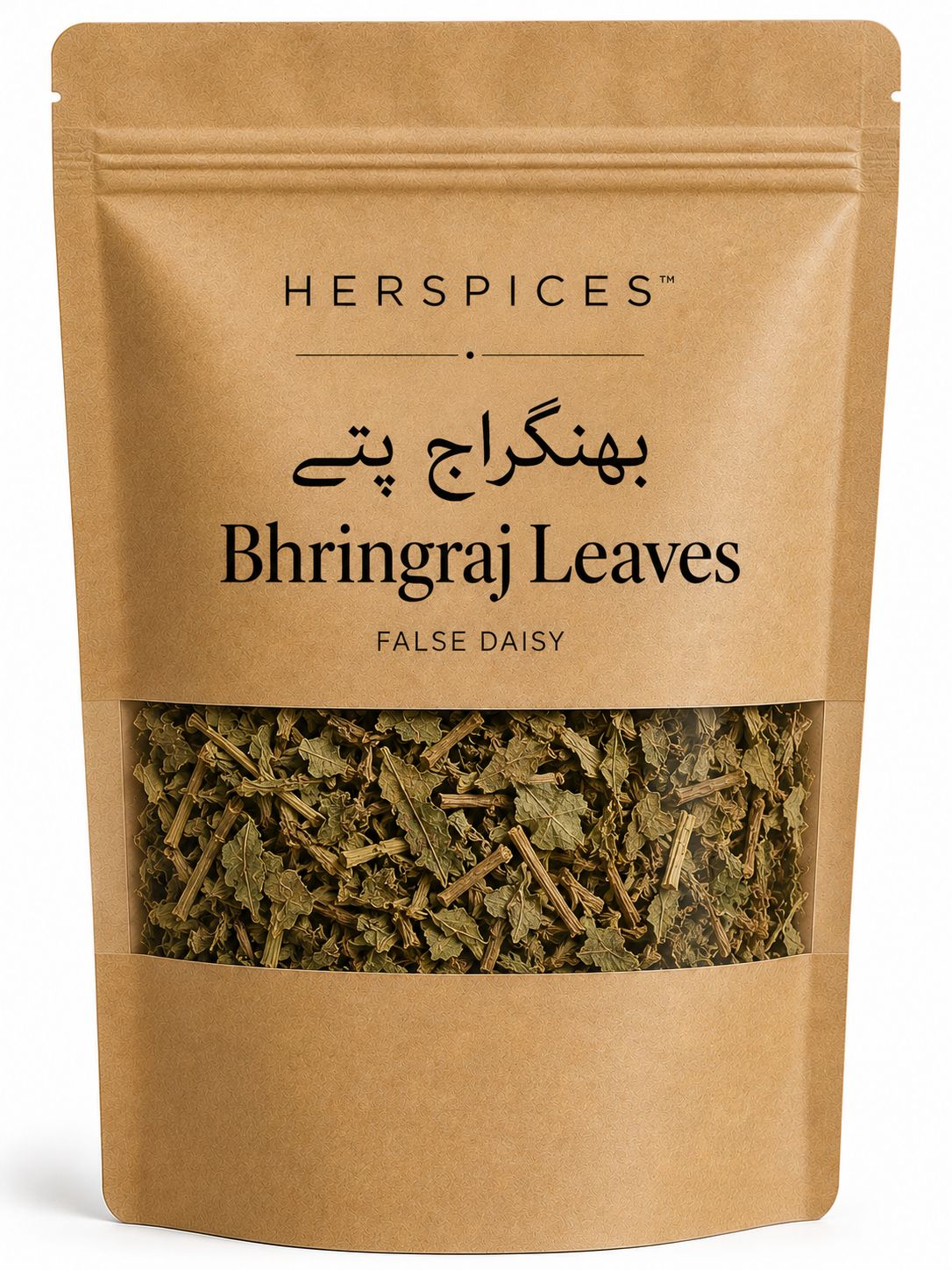
At HERSPICES, our Bhringraj Leaves are carefully selected and packed to maintain their natural appearance, colour and quality.
The Importance of Bhringraj in Traditional Herbal Practices
Bhringraj has a long-standing place in traditional South Asian herbal systems. Historical herbal texts frequently reference the plant, and it remains one of the most recognized herbs used in traditional botanical preparations.
Its popularity has endured for centuries due to its availability, versatility and established role within traditional herbal culture.
What Do Quality Bhringraj Leaves Look Like?
Premium dried Bhringraj typically consists mainly of leaves with minimal stems.
Characteristics often include:
-
Olive-green to brown-green leaves
-
Natural variation in leaf size
-
Fine leaf fragments
-
Mild earthy aroma
-
Naturally dried appearance
Because Bhringraj is a natural agricultural product, differences in colour and texture are normal between harvests.
Botanical Profile
Bhringraj belongs to the Asteraceae family and grows naturally in tropical and subtropical environments.
The plant is commonly found across:
-
Pakistan
-
India
-
Bangladesh
-
Nepal
-
Sri Lanka
It grows well in moist soil and warm climates, producing dense foliage that is traditionally harvested for drying.
Naturally Occurring Plant Constituents
Bhringraj contains a variety of naturally occurring plant compounds, including:
-
Flavonoids
-
Plant sterols
-
Polyphenols
-
Alkaloids
-
Antioxidant compounds
These naturally occurring constituents contribute to the herb's significance within traditional herbal systems.
Traditional Applications
For generations, Bhringraj Leaves have been incorporated into:
-
Traditional herbal preparations
-
Botanical powders
-
Herbal decoctions
-
Herbal blends
-
Classical herbal formulations
Methods of preparation vary according to regional traditions and personal preferences.
Natural Colour and Aroma
Dried Bhringraj should not appear bright green like fresh leaves. Quality dried leaves commonly display shades ranging from olive-green to brown-green, reflecting natural drying and storage conditions.
The herb is known for its mild earthy aroma and authentic leaf-rich appearance.
Storage Recommendations
Store in a cool, dry place away from direct sunlight and moisture. Reseal the package after opening to preserve freshness and maintain the herb's natural characteristics.
Why Choose HERSPICES Bhringraj Leaves?
-
Carefully selected leaf-rich material
-
Naturally dried appearance
-
Minimal stem content
-
Cleanly packed for freshness
-
Authentic herbal ingredient
-
Delivered across Pakistan
FAQ
What are Bhringraj Leaves?
Bhringraj Leaves are the dried leaves of Eclipta prostrata, a herb widely recognized in traditional South Asian herbal systems.
What does Bhringraj look like?
Dried Bhringraj typically consists of olive-green to brown-green leaves with natural variation in size and texture.
Is Bhringraj the same as False Daisy?
Yes. False Daisy is the common English name for Bhringraj (Eclipta prostrata).
Why are some Bhringraj leaves darker than others?
Natural differences in harvesting, drying and seasonal growing conditions can create variations in colour.
Should Bhringraj contain stems?
Quality Bhringraj is generally leaf-rich with minimal stems, although small amounts of stem material may naturally occur.
How should Bhringraj Leaves be stored?
Store them in a sealed pouch in a cool, dry location away from moisture and direct sunlight.
Share